The Essence
The Essence
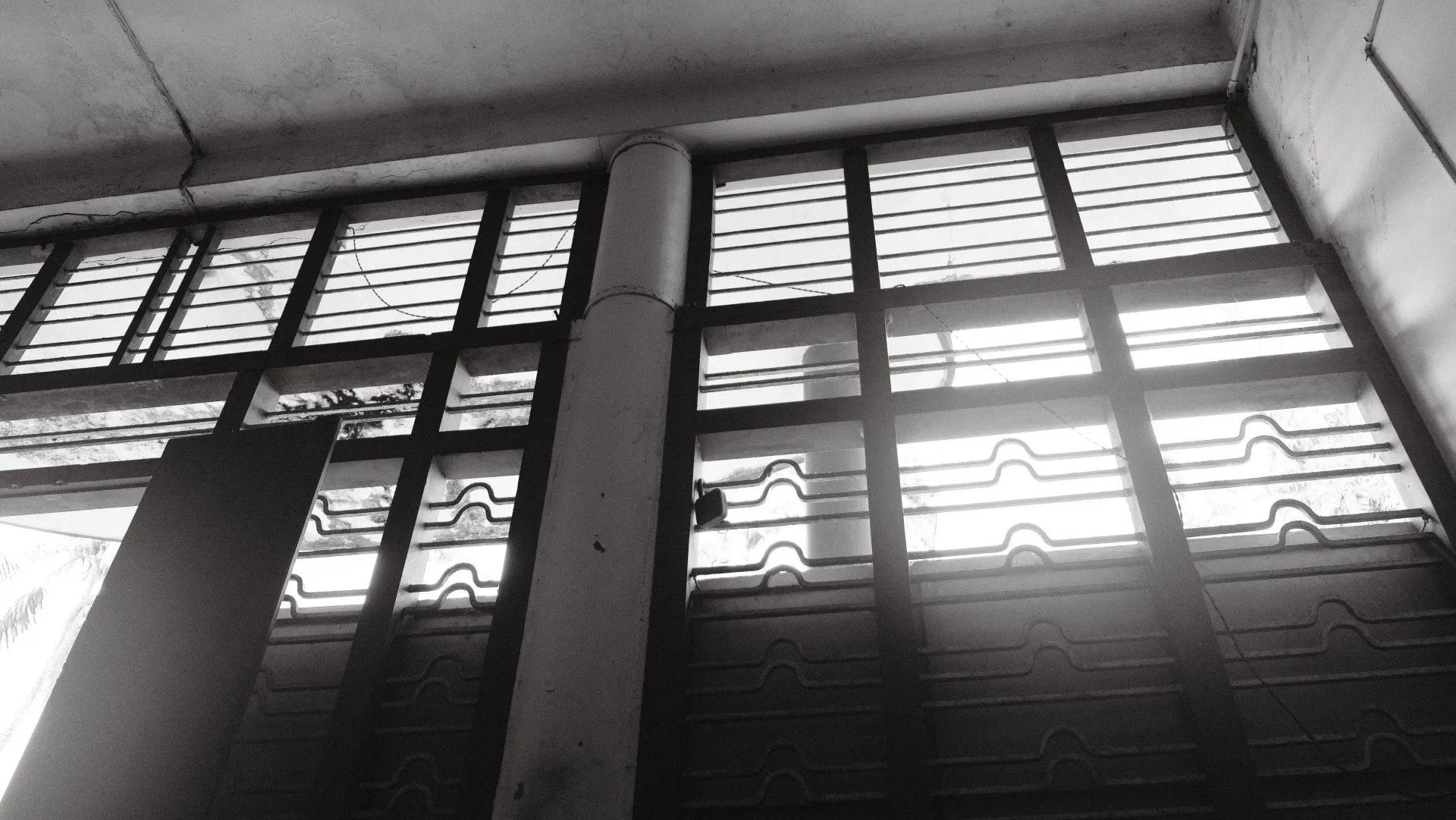
There is a house in a small village in Kasaragod where the floors are red oxide, the walls hold decades of silence, and the light comes in through iron grilles shaped like waves.
That house was built by my grandfather — Kaitara Kunhikanna. A weaver. A man who started with nothing but his hands, a loom, and a relentless belief that something beautiful could come from raw thread.
He belonged to the weaving community of Kasaragod — people who understood that patience and precision create things that last. Thread by thread, he built a weaving and dyeing business. He colored fabric the way he colored lives — with intention, with care, with the kind of quiet determination that doesn't need to announce itself.
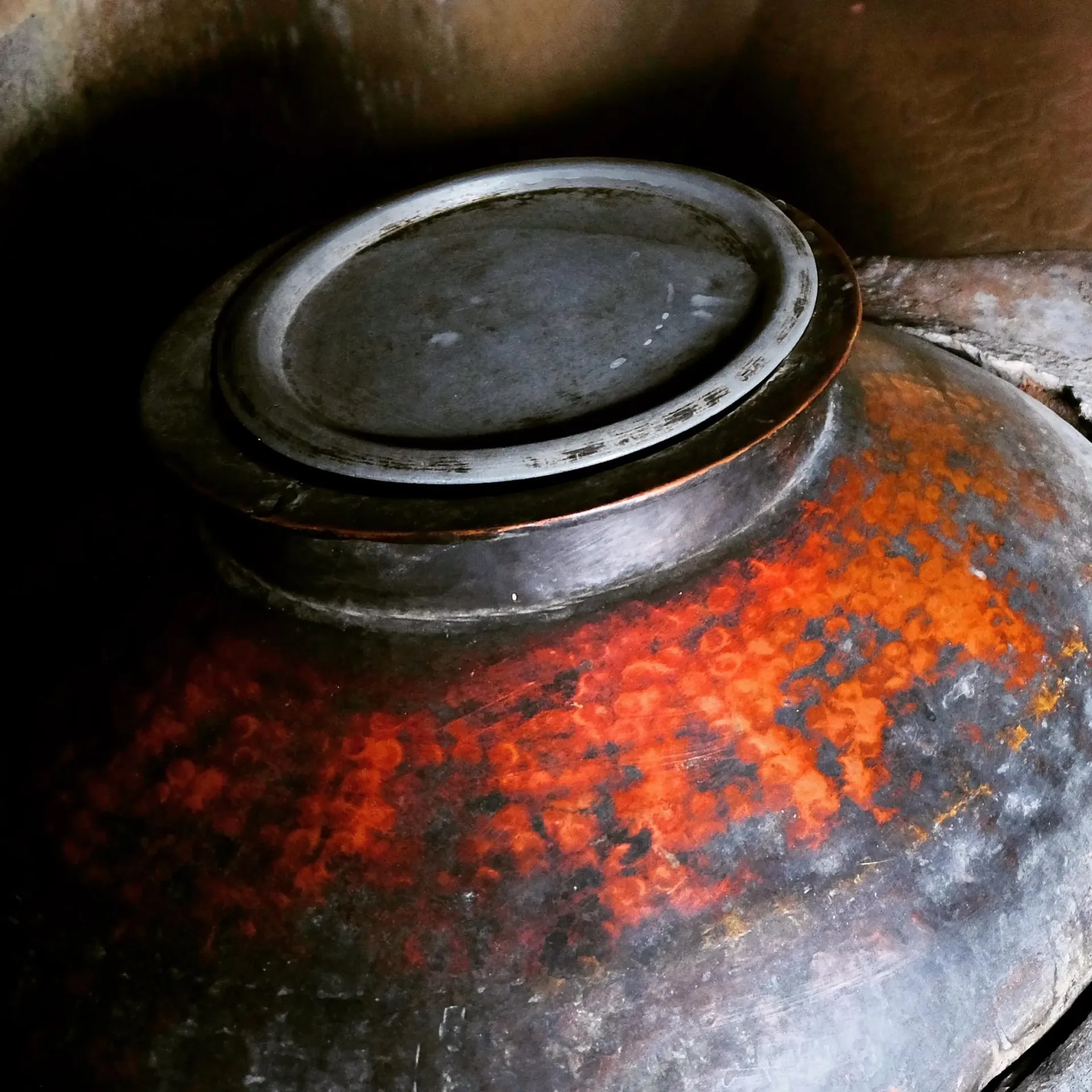
Objects that carry the warmth of a home, the patina of time.
But some forces are larger than any single man. The political upheaval of the time — the rise of movements that promised equality but often delivered disruption — forced him to close his business. The looms fell silent. The dyes dried up.
What he built with decades of labor was dismantled not by the market, not by failure, but by circumstance. It is a wound that our family carries — not with bitterness, but with a quiet resolve.
Because the looms may have stopped, but the weaver's hands never forgot.
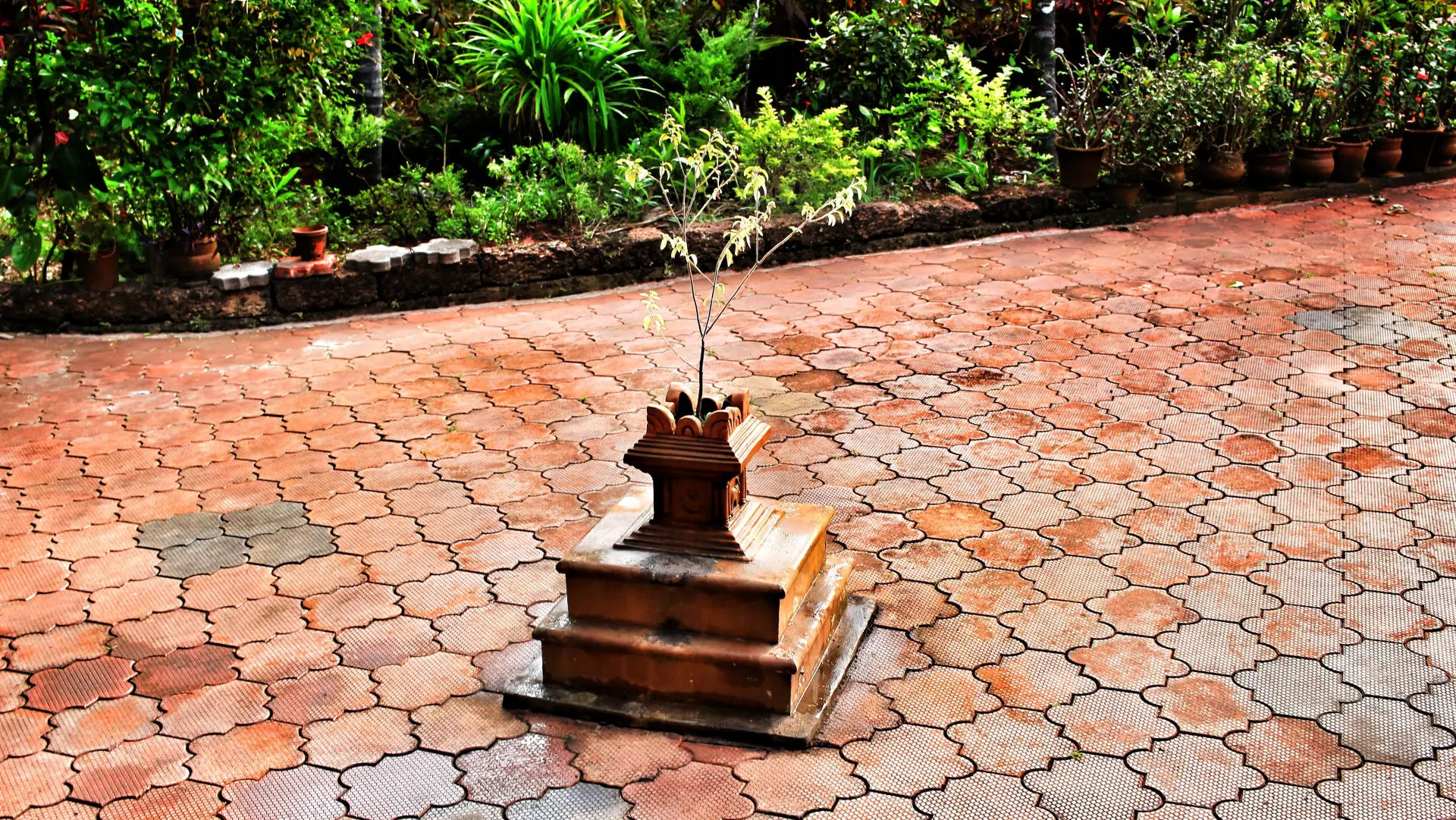
The courtyard where roots run deep and new growth always finds a way.
When I was young, my grandfather told me something simple:
“You should do business.”
Not advice about what kind. Not instructions on how. Just a direction — a thread to follow. It took me years to understand that he wasn't just telling me to make money. He was telling me to build. To create something with my own hands, the way he did. To take the raw material of opportunity and weave it into something that lasts.
Kaitara is that answer. Not a single company, but a commitment — a banner under which new ventures are woven, each one a new thread in the fabric he started.

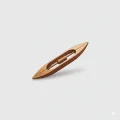
For Kaitara Kunhikanna. For every weaver who built something from nothing. The thread continues.